Home › Child Development › Screen Time for Kids: How Much is Too Much?
Screen Time for Kids: How Much is Too Much?
Tanishka
Jun 11, 2025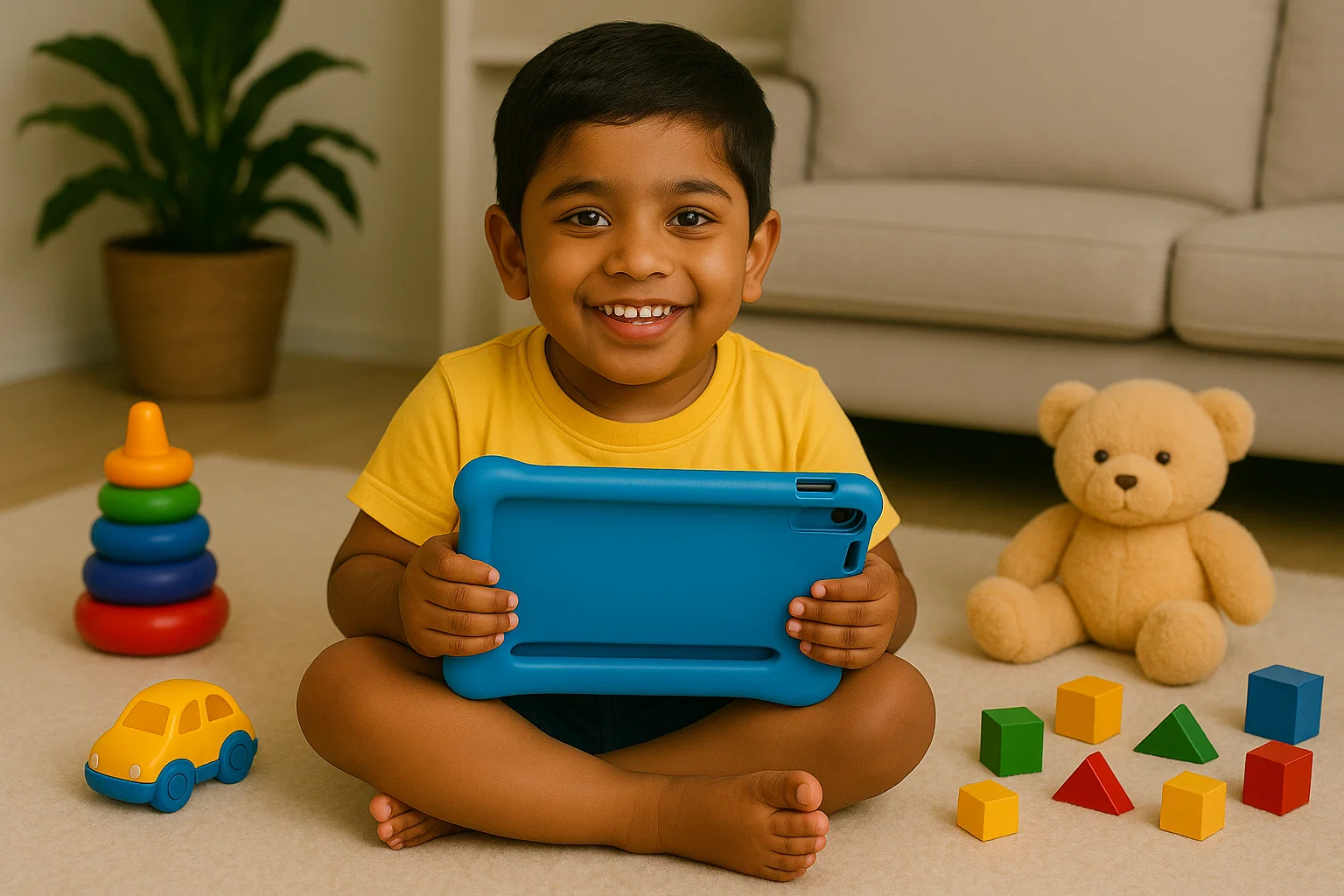
Tags: screen time for kids, recommended screen time, screen time limits, digital parenting, healthy screen, habits, child screen time guidelines, screen time effects, managing screen time
Hey there, fellow parents! If you're raising a child in today's digital India, chances are you've asked yourself this at least once: "Is my child spending too much time in front of screens?" Whether it's Peppa Pig in Hindi on YouTube, rhymes on your smartphone during lunch, or the irresistible temptation of Cocomelon on the TV, screen time has quietly seeped into the daily routines of even our youngest kids.
In a country where joint families still thrive in some regions, while nuclear households are on the rise in cities, parenting styles may differ — but when it comes to screen time for toddlers and infants, the concerns are universally shared. So let's talk about it.
What Exactly Is 'Screen Time'?
Before diving into how much is too much, let's define what we're talking about.
Screen time refers to any time spent in front of a screen, including:
- Watching cartoons on the television
- Playing mobile games or using apps on a tablet
- Browsing reels or nursery videos on a smartphone
- Even occasional video chats with grandparents
For Indian households, screens can often double as both a learning tool and a digital babysitter. It's not uncommon to hand a phone to a toddler to keep them calm during a long car ride, temple visit, or while cooking dal in the kitchen.
What the Experts Say: Age-Wise Screen Time Guidelines
The Indian Academy of Pediatrics and the American Academy of Pediatrics (AAP) both suggest caution and balance when it comes to screen exposure in young children.
Babies under 18 months:
Avoid screens completely, except for video chatting with family. Yes, it's absolutely fine if your 6-month-old smiles at their nani or dadu on a WhatsApp video call. It helps foster emotional bonds even from afar.
18–24 months (1.5 to 2 years):
If you want to introduce screens, watch together. Choose age-appropriate, high-quality content (like Sesame Street, Chhota Bheem, or Akbar-Birbal cartoons). Your presence helps them understand what they're watching, rather than just consuming passively.
2–5 years:
Limit screen time to no more than one hour per day. Focus on interactive and educational programs that promote thinking, creativity, and engagement. Indian parents can opt for shows in regional languages, story apps, or rhymes that include Indian culture, festivals, and folktales.
6 years and above:
This is the age to build digital discipline. Screen time shouldn't interfere with essential habits like outdoor play, studies, sleep, or family meals. Consistent boundaries and conversations about digital etiquette become essential.
Why Can Too Much Screen Time Be Harmful?
While handing over the phone may calm a tantrum or help feed your toddler a spoon of rice, it's crucial to understand what's at stake. Excessive screen time in young children can:
- Delay language and cognitive development
- Lead to shorter attention spans and irritability
- Interfere with sleep cycles, especially with screen exposure at night
- Increase the risk of childhood obesity due to lack of physical movement
- Reduce social interactions and real-world play, both of which are crucial for emotional intelligence
Moreover, many Indian children are exposed to content that isn't necessarily age-filtered, leading to unintended overstimulation or confusion.
What You Can Do: Creating Healthy Screen Habits at Home
In Indian households where both parents might be working or families rely on digital tools for education and entertainment, completely eliminating screens isn't always feasible. But what we can do is guide and structure screen use mindfully.
Start by creating a daily routine that includes time for:
- Reading books in English or your regional language
- Playing with building blocks, clay, or simple Indian games like lattu, carrom, or antakshari
- Spending time outdoors in a nearby park or terrace garden
- Helping with small chores like folding clothes or watering plants
Remember, children don't need screens to be entertained — they need engagement. From telling them Panchatantra tales to dancing together to Bollywood songs, there are plenty of ways to keep your child's mind active.
Screens and You: Why Parental Behavior Matters
Indian parents, especially millennials, are often glued to their own devices — be it for work, shopping, or watching reels. But kids learn what they see.
If you want to reduce your child's screen time, you need to lead by example. Try:
- Keeping your phone aside during meals
- Not scrolling endlessly when your child is nearby
- Having designated "no-screen zones" like the bedroom or dining table
Your habits will shape theirs. If you read books, they'll read. If you watch less, they'll ask for less.
What About Online Learning Apps and Educational Content?
Many parents ask: "What if my child is watching something educational?" While learning apps like Kutuki, Voot Kids, or BYJU'S Early Learn are growing in popularity, it's important to remember that passive screen learning is no substitute for real-world experience.
A toddler may learn the names of colors from an app, but mixing paints with their hands, coloring Rangoli patterns, or playing Holi is how they really understand and enjoy learning.
In Conclusion: It's All About Balance
Yes, screen time is here to stay — but as Indian parents, we can blend tradition with technology and create a healthy environment for our kids to grow.
The key is not to fear screens, but to use them wisely — as a tool for connection, education, and creativity — without letting them replace the real joys of childhood: mud puddles, bedtime stories, and mumma ke haath ka khana.
So the next time you wonder if you're doing this parenting thing right, just remember: You're not alone, and it's okay to make changes as you learn.
Take a deep breath, trust your instincts, and embrace the parenting journey — with or without the screen.
Happy parenting, and lots of love from one Indian parent to another!
FAQs
1. What is the recommended screen time for kids by age?
Children aged 2–5: max 1 hour/day.
Ages 6+: Consistent limits with screen-free routines.
2. Is screen time harmful for kids under 2 years?
Yes. Experts recommend zero screen time, except video calls.
3. What are the effects of too much screen time on children?
It can cause poor sleep, reduced focus, eye strain, and behavioral issues.
4. Does educational screen time count as harmful?
Not if it's high-quality, age-appropriate, and co-watched with parents.
5. How do I reduce screen time without meltdowns?
Set clear rules, use timers, and replace screens with engaging offline activities.
6. Which parental control apps are best in India?
Top picks: Google Family Link, YouTube Kids, and Qustodio.