Home › Child Development › Literacy Launchpad: Cultivating a Love for Reading Early On
Literacy Launchpad: Cultivating a Love for Reading Early On
Tanishka
Jun 12, 2025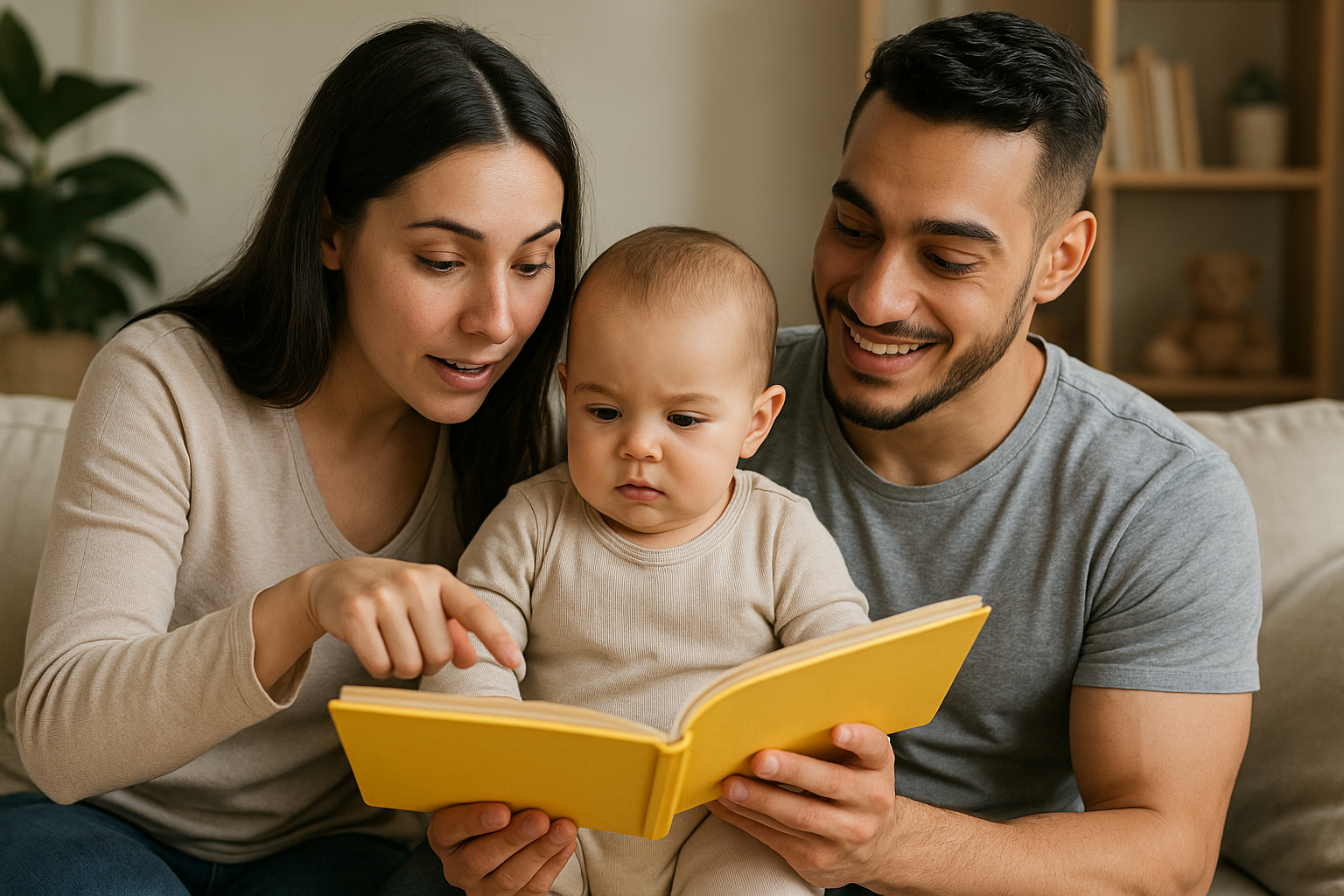
Giving your child the gift of reading is giving them a superpower. It's not just about decoding words; it's about opening doors to knowledge, imagination, and lifelong learning. In today's busy world, fostering this love for books from a young age is crucial. It's simpler than you think, and the journey begins at home, right now.
Key Benefits for Your Child: Why Start Early?
Cultivating a love for reading early offers immense advantages:
Boosts Brain Development: Enhances cognitive skills, memory, and attention span.
Expands Vocabulary: Exposes children to more words, improving their communication.
Develops Emotional Intelligence: Helps them understand feelings and build empathy through characters and stories.
Strengthens Parent-Child Bond: Creates special moments of connection and shared learning.
Lays Academic Foundation: Prepares them for school success and a lifelong love of learning.
Sparks Imagination & Creativity: Encourages them to explore new ideas and worlds beyond their immediate surroundings.
Your Action Plan: Simple Steps to Ignite a Love for Books
Where to Begin (Your First Steps):
- Start Early (Even Infancy): Begin reading to your child from day one. They benefit from hearing your voice and the rhythm of language, even if they don't understand the words.
- Make Books Accessible: Fill your home with age-appropriate books (board books, picture books). Place them within your child's reach in baskets or low shelves in various rooms, inviting them to explore independently.
- Read Aloud Daily (The Non-Negotiable!): Dedicate a consistent time each day for reading aloud. This builds routine, strengthens your bond, and familiarizes them with language and story structure.
Making Reading a Joyful Habit (Further Actions):
- Read Actively & Interactively: Don't just read the words. Use different voices, point to pictures, ask questions ("What do you see here?"), and let them turn pages. Make it a fun, shared experience.
- Be a Reading Role Model: Let your children see you reading for pleasure. When they observe your enjoyment of books, they're more likely to value reading themselves.
- Weave Literacy into Play & Daily Life: Incorporate rhymes, songs, and word games into your day. Point out letters on signs, food labels, or toys. Make learning about words an organic part of their world.
- Explore Libraries and Bookstores: Make regular trips to your local library or bookstore an exciting outing. Let your child choose books that interest them, fostering independence and ownership over their reading journey.
Navigating Common Hurdles: Quick Solutions
"My child won't sit still!": Start with very short, sturdy books. Read for just a minute or two, gradually increasing time. Make it highly interactive.
"They only want the same book!": Embrace repetition! It's how young brains learn and build confidence. Your enthusiasm for their favorite book counts.
"They prefer screens!": Balance screen time with exciting book time. Create appealing reading nooks. Your active engagement makes books more captivating than passive screen viewing.
Your Child's Future Begins on a Page
Cultivating a love for reading is a powerful gift that will benefit your child throughout their entire life – academically, emotionally, and socially. It's a journey built on connection, consistency, and joy.
Choose just one or two actions from this plan to start with this week. Every shared story, every turned page, launches your child further into a world of endless possibilities.
Which action will you try first to spark a love for reading in your little one? Share your strategy in the comments below!
FAQS
-
What are the best Indian books for babies and toddlers?
Look for age-appropriate Indian storybooks like Gajapati Kulapati, Amma Tell Me series, or bilingual board books from Tulika and Pratham. -
How to build a daily reading habit in toddlers?
Choose a fixed time like bedtime or post-lunch, read aloud daily, and let your child choose the book to make it enjoyable and consistent. -
Which language should I use — Hindi, English, or both?
You can read in Hindi, English, or your native language. Mixing both supports language development and cultural connection. -
What kind of books are suitable for 1–3-year-old children?
Board books with bright pictures, touch-and-feel books, and rhyming stories are best for early literacy in toddlers. -
How much screen time affects reading development in kids?
Excessive screen time can reduce attention span and interest in books. Balancing it with daily reading is key for brain development. -
How do I encourage my toddler to choose books over mobile or TV?
Keep books within reach, model reading yourself, and replace screen time with interactive reading sessions full of voices and expressions. -
What are early literacy skills in preschoolers?
These include recognizing pictures, turning pages, repeating story parts, and pretending to read — all signs your child is developing literacy. -
Can I read aloud if I'm not fluent in English?
Yes! You can read in any language you're comfortable with. Children benefit most from your voice and bonding during story time. -
How do I know if my child is learning from books?
If your child points to pictures, repeats words, or brings you books to read, it shows strong interest and learning progress.10. At what age should I start reading to my baby in India?
You can start reading to your baby from birth. Even newborns benefit from hearing familiar voices and simple story rhythms.